How to Combat Dry Hair

Dry hair can feel brittle, look dull, and break easily.
Understanding why your hair is dry is the first step to restoring softness and bounce. Common causes include over-washing, heat styling, chemical treatments (like coloring or relaxing), environmental stress (sun, wind, cold), hard water, and not getting enough moisture from your diet. Identifying which of these apply to you helps you choose the right treatments and habits to bring moisture back into your strands.
Choose a gentle cleansing routine. Shampooing every day strips natural oils that protect and moisturize hair. Switch to a sulfate-free shampoo formulated for dry or damaged hair and limit washing to 2–3 times per week if possible. When you do shampoo, focus on the scalp and roots; let the cleansing lather rinse the lengths instead of scrubbing them. Rinse with cool or lukewarm water to help close the hair cuticle, which preserves moisture and shine.
Deep condition weekly. Use a rich conditioner after every shampoo, and apply a deep conditioning mask once a week. Look for products containing humectants (glycerin, honey), emollients (shea butter, coconut oil, avocado oil), and proteins (keratin, hydrolyzed silk) to rebuild and retain moisture. Leave the mask on for at least 10–30 minutes under a shower cap or warm towel to help ingredients penetrate the hair shaft.
Incorporate leave-in conditioners and oils. After washing, apply a lightweight leave-in conditioner to damp hair to add immediate hydration and detangling benefits. Seal in moisture with a small amount of natural oil—argan, jojoba, or sweet almond oil—focusing on the mid-lengths and ends. Oils help guard against humidity and heat damage while providing shine and softness.
Protect hair from heat and environmental damage. Before using blow dryers, flat irons, or curling tools, always apply a heat protectant spray. Use the lowest effective heat setting and try air-drying when possible. Wear hats or scarves in harsh sun, wind, and cold. If you swim, wet hair and apply conditioner before entering chlorinated pools, then rinse promptly after swimming.
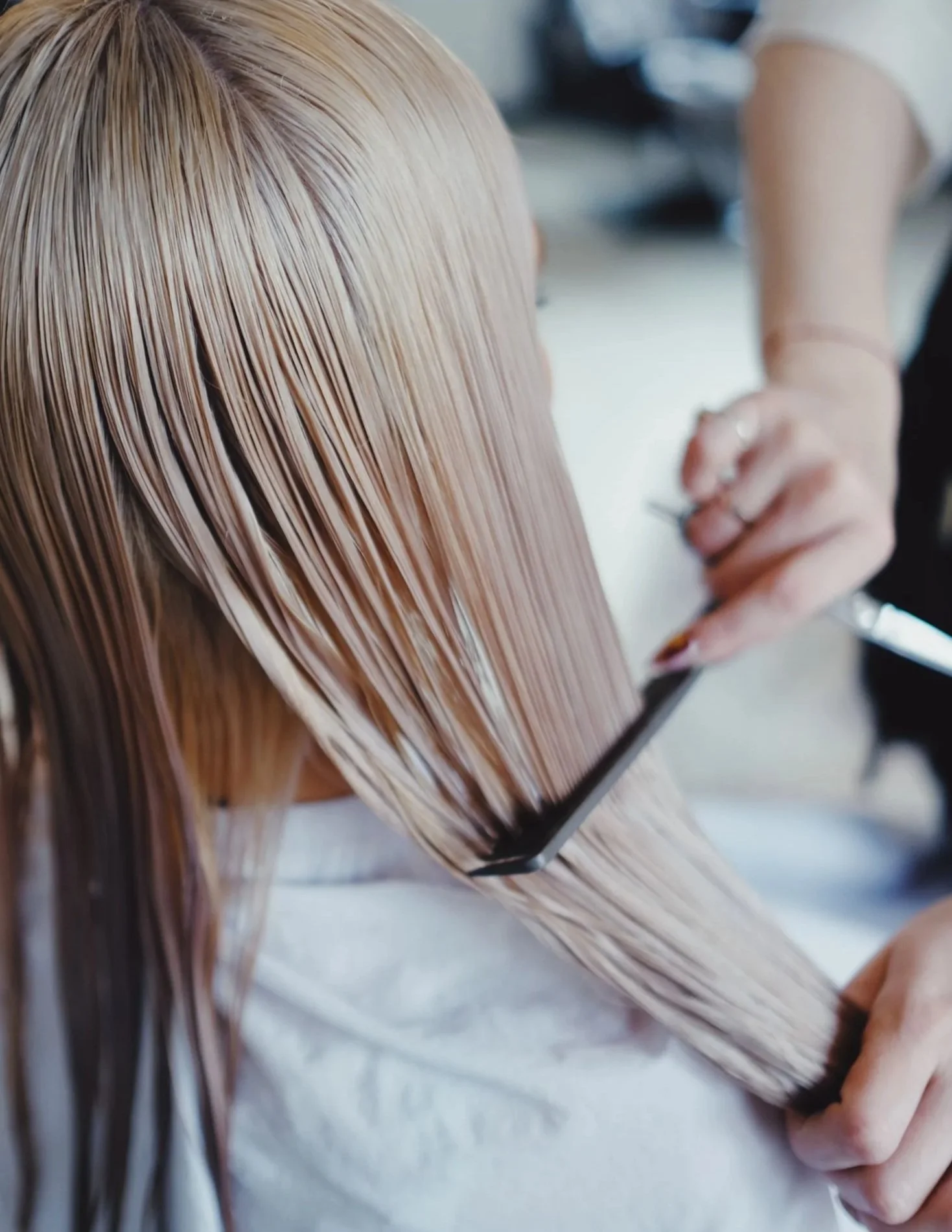
Trim regularly to remove split ends. Even with great moisture care, split ends will travel up the hair shaft and cause breakage. Get a trim every 8–12 weeks to keep ends healthy and reduce the appearance of dryness. If you prefer longer intervals, occasional dusting (removing only split ends) can extend the time between full trims.
Adjust your diet and hydration. Hair health reflects overall nutrition. Ensure you get enough protein (hair is primarily keratin), omega-3 fatty acids (salmon, walnuts, flaxseed), vitamins A, C, D, and biotin-rich foods (eggs, nuts, leafy greens). Drink adequate water daily—hydrated bodies support hydrated hair.
Use protective styles and gentle detangling. Tight hairstyles and rough brushing can worsen dryness and breakage. Opt for loose, protective styles like braids, low buns, or using silk/satin scrunchies and pillowcases to reduce friction. Detangle gently with a wide-tooth comb or detangling brush, starting at the ends and working up to the roots.
Try targeted home treatments. Natural treatments like coconut oil, olive oil, and avocado masks can provide temporary moisture. Apply warm oil to the hair and scalp for 30–60 minutes, then shampoo and condition. For protein-deficient dry hair, alternate moisturizing masks with protein treatments to rebuild strength—be careful not to overdo protein, which can make hair stiff.
Monitor water quality and styling products. Hard water minerals can leave hair feeling dry and filmy; consider installing a shower filter if your tap water is hard. Avoid products with high alcohol content that evaporate moisture, and limit frequent use of strong hold styling products that can dry hair over time.
Create a long-term routine. Combating dry hair takes consistent care: a gentle wash schedule, regular deep conditioning, heat protection, nourishing diet, trims and protective styling.