
Going natural is a beautiful, empowering choice. Choosing to stop coloring your hair lets your natural texture, tone, and shine take center stage. It can also be a gentle act of self-care—freeing you from chemicals, saving time and money, and reconnecting you with the true you. Below are practical tips to transition easily from colored to natural hair.
Why going natural is worth it Embracing your natural hair color can feel like reclaiming authenticity. Color fades and roots grow in, but natural hair grows steadily and reveals the unique combination of tones you were born with—subtle highlights, lowlights, and undertones that are yours alone. Many people notice healthier-looking hair after they stop coloring: less breakage, improved moisture retention, and more bounce. Mentally, the ritual of upkeep dissolves, and you gain time and money back for things you love.

Preparing to transition Start by assessing the current condition of your hair. If it's damaged from repeated coloring or bleaching, consider a trim to remove compromised ends. Deep conditioning treatments and protein treatments can help restore strength before you stop coloring. Make a plan for how you’ll manage the color line (roots) as your hair grows out—options include growing out fully, using blended cuts, or gradually lightening the colored portions to better match your roots.
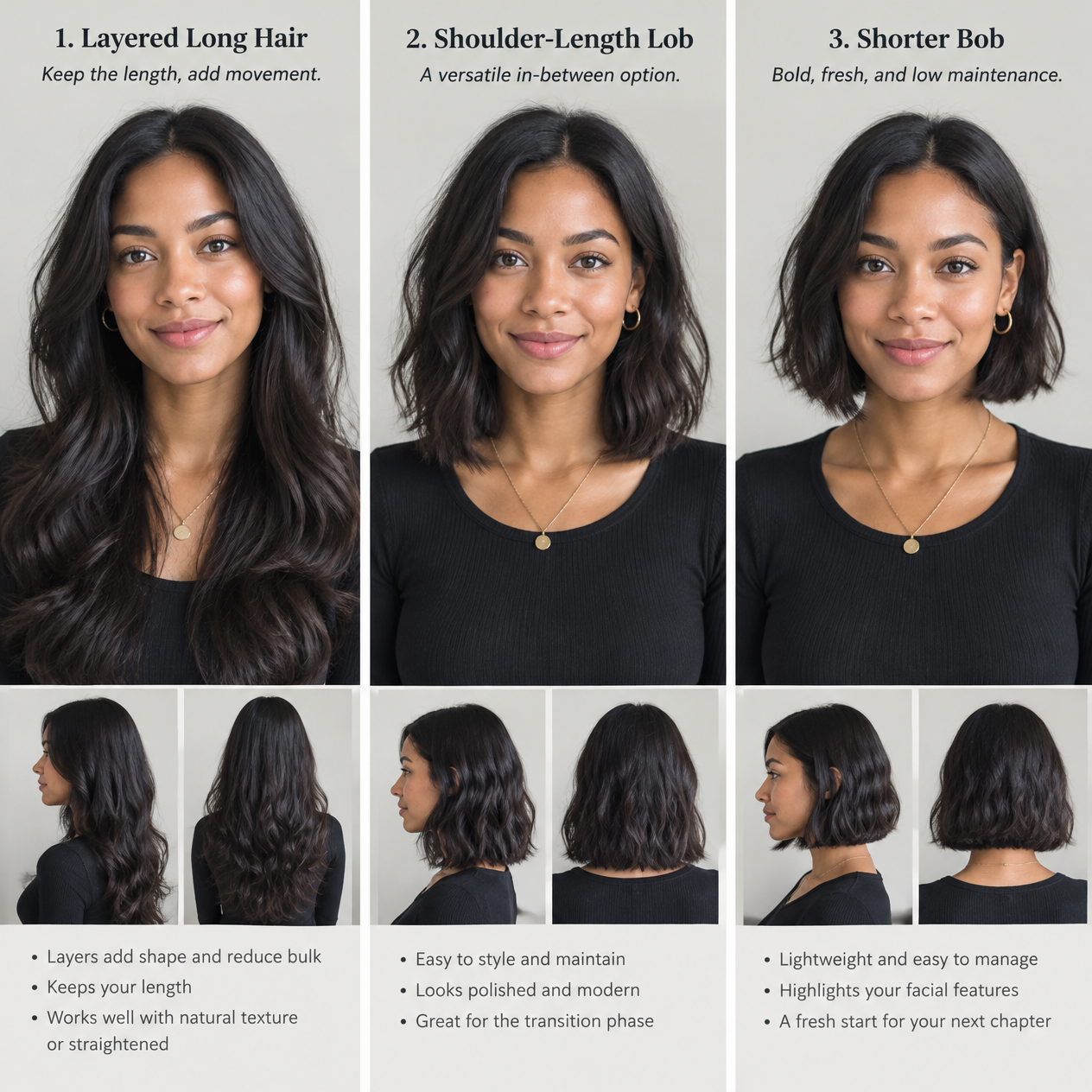
Growing out gracefully: transition styles Layered cuts: Layers add movement and reduce the appearance of a harsh demarcation line between natural roots and colored ends.
Bangs or face-framing layers: These draw attention to your face and away from the grow-out line.
Shorter cuts: A bob or lob can remove large amounts of processed hair quickly and give a clean slate.
Blended color techniques: If you prefer to lessen the contrast, ask your stylist about lowlights, balayage, or color melting that mimics your natural shade, making the grow-out phase less obvious.
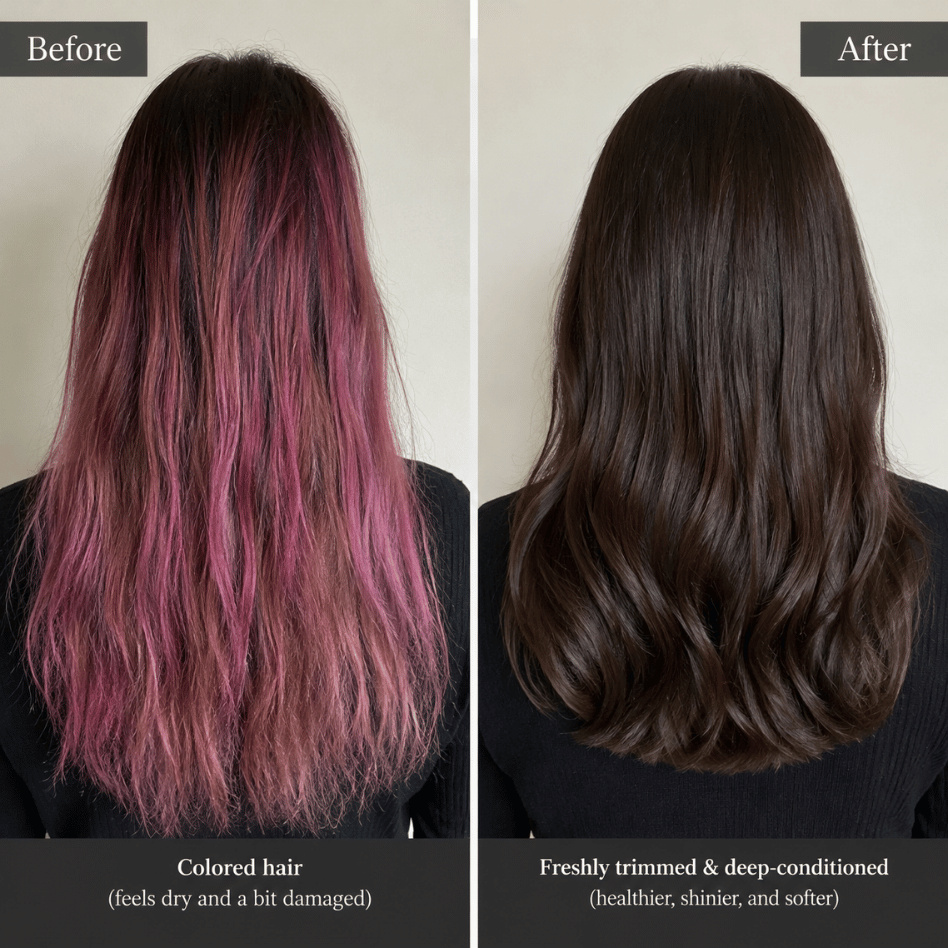
Daily care to boost natural texture and health Switch to gentler haircare products: Sulfate-free shampoos, silicone-free conditioners, and products formulated for your hair type will protect your hair’s natural oils. Use a clarifying wash occasionally to remove product buildup but limit frequency to avoid dryness.
Hydration and nourishment: Incorporate weekly deep-conditioning masks, leave-in conditioners, and oils like jojoba or argan for hydration. Protein treatments every 6–8 weeks help rebuild strength, especially if your hair was previously bleached.
Style with intention: Reduce heat-styling to prevent further damage. Embrace air-drying or use protective heat settings and heat protectant sprays. Protective styles—twists, braids, buns—can minimize manipulation and protect ends as they grow.
Camouflaging the line: quick fixes Root touch-up powders: Temporary powders or sprays that match your natural color can camouflage the line between colors for a day.
Color blending: A gloss or demi-permanent glaze in a shade close to your natural tone can help soften the line without long-term commitment.
Part changes and styling: Changing your part, creating a deep side part, or styling with waves can shift focus away from the grow-out line.
Mindset and timeline: patience plus milestones People often worry about how long the process will take. Growth rates vary, but hair typically grows about half an inch per month. Shorter styles will transition faster; longer hair requires more patience. Break the journey into milestones—first three months, six months, one year—and celebrate progress with photos and small rewards. Surround yourself with positive reinforcement: a supportive stylist, friends who admire natural hair, and communities that celebrate authenticity.
When to seek professional help A skilled colorist or stylist can be invaluable during transition. They can design a cutting schedule, recommend blending techniques, and suggest products tailored to your hair’s needs. If your hair is severely damaged from bleaching, a professional can advise on restorative treatments or a plan for gradual correction.